Gallery
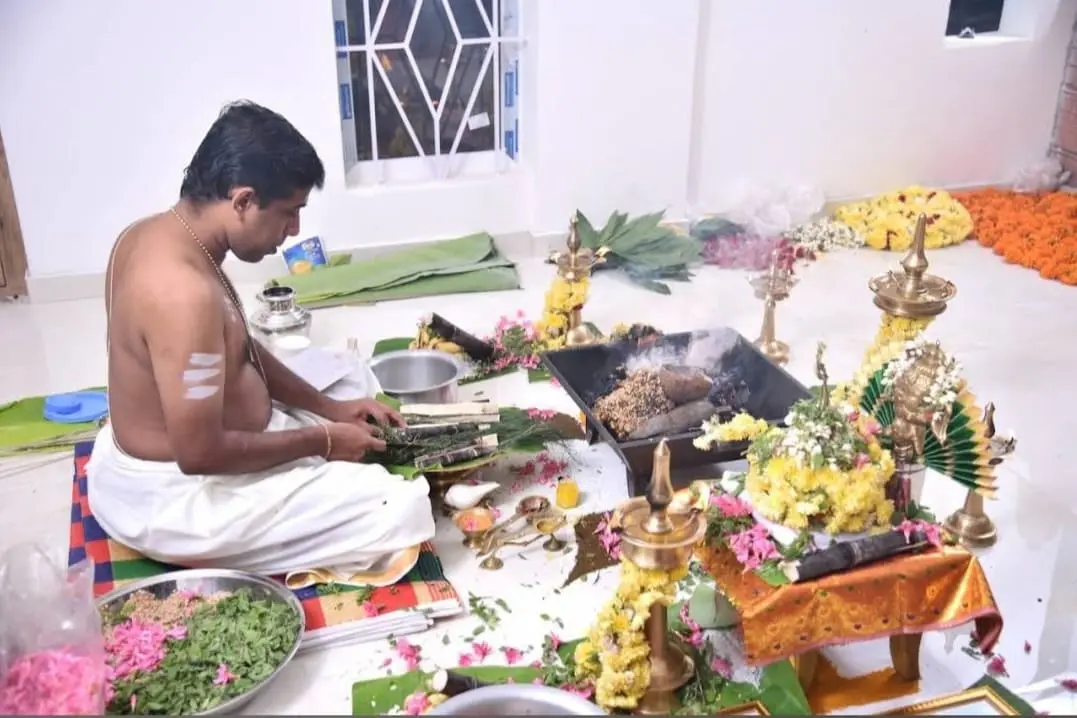
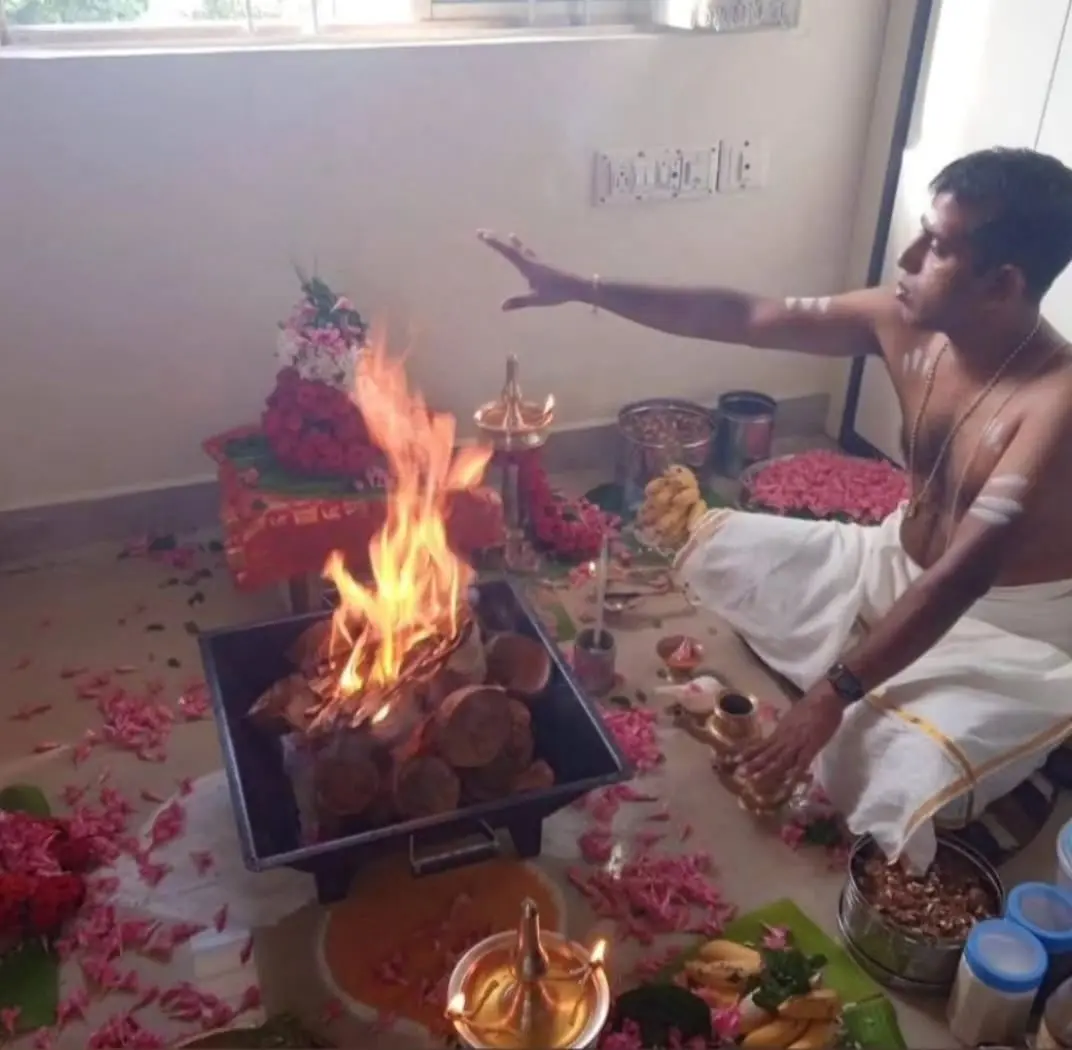
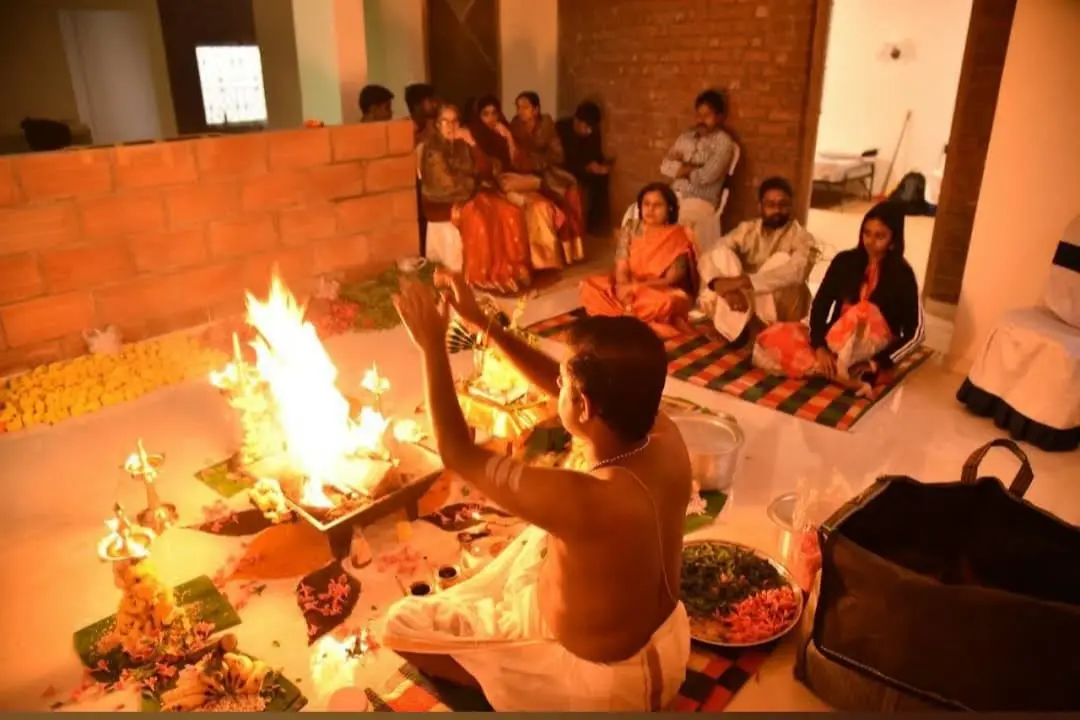
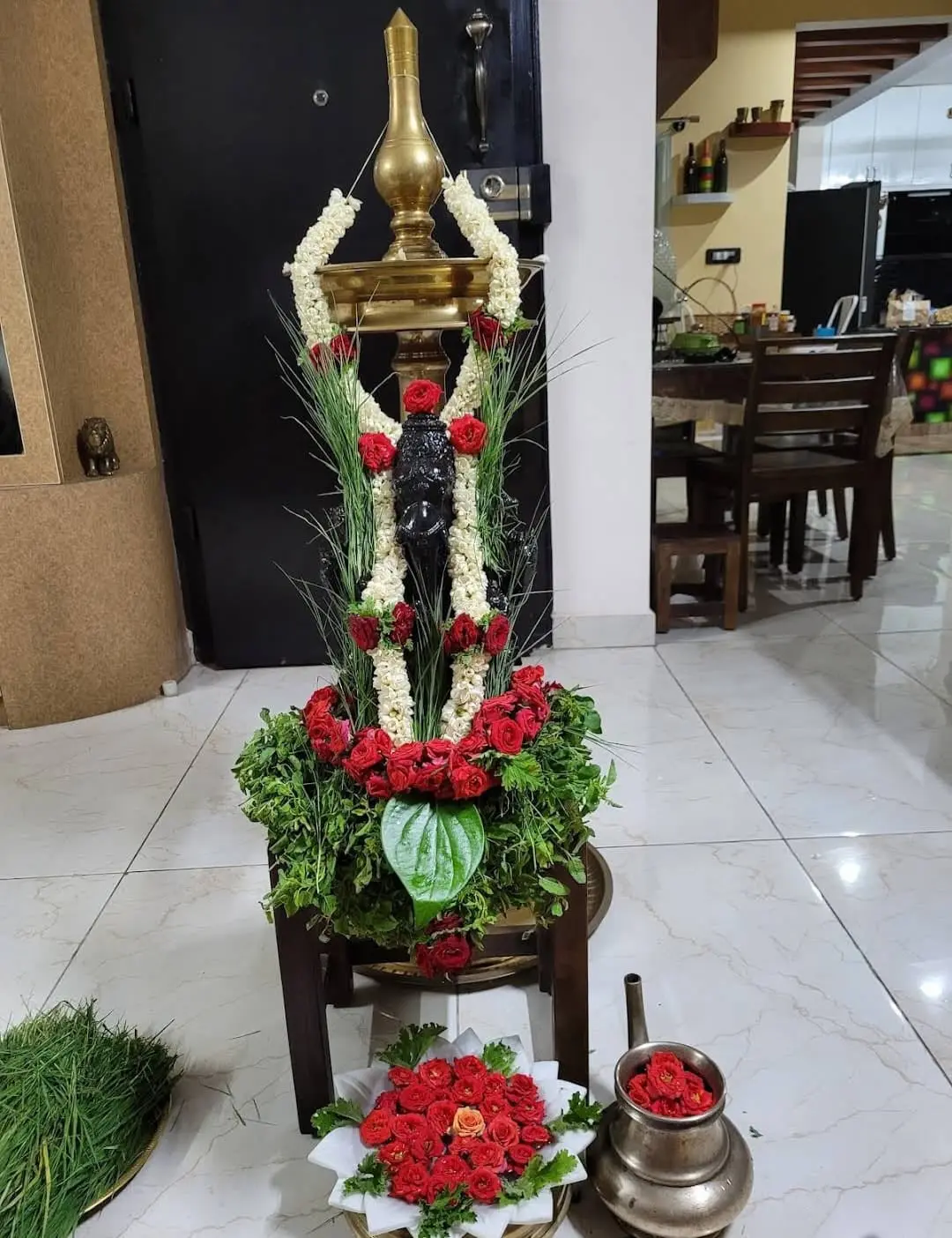
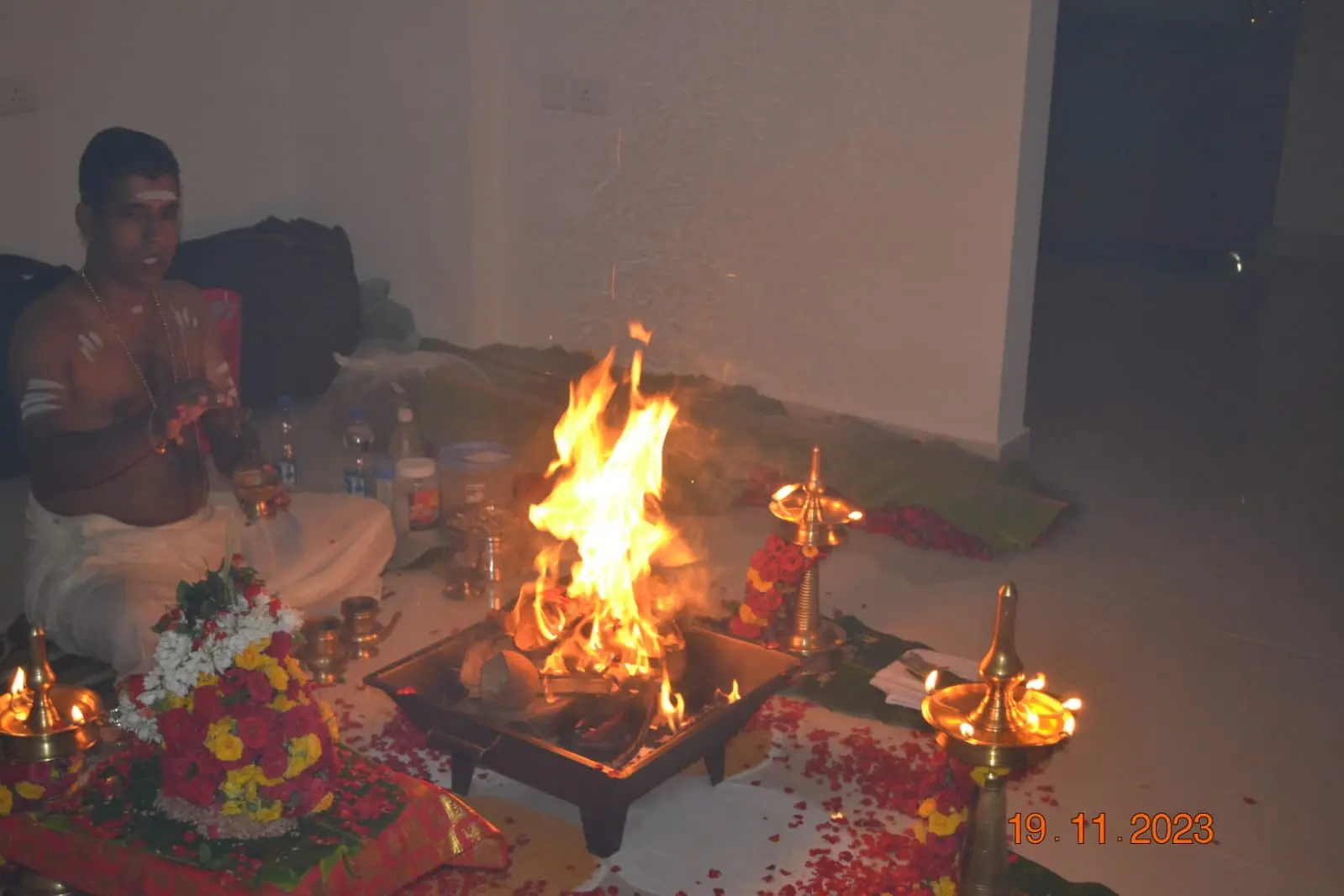
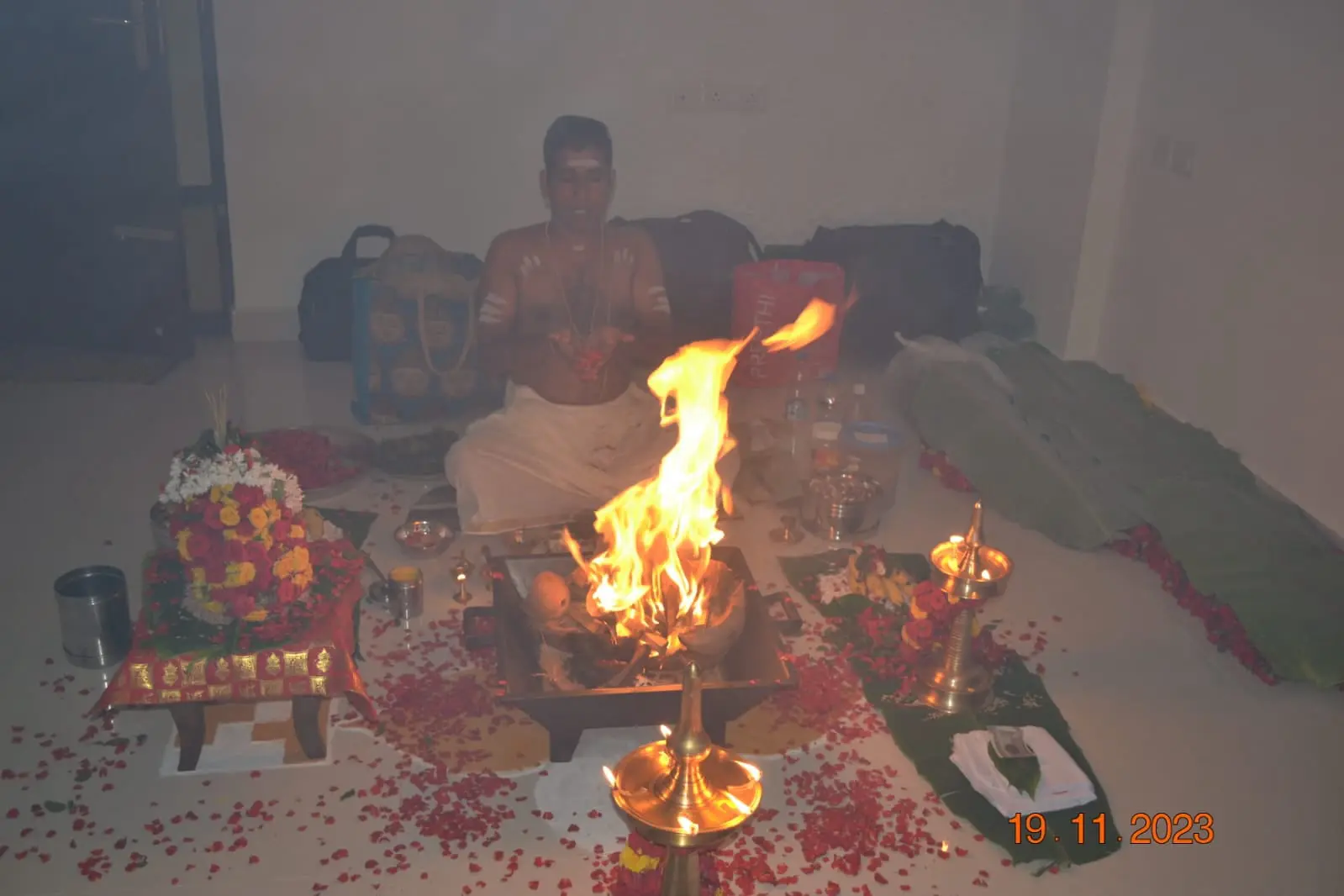
Ganapathy Homam, also known as Ganapati Homa or Ganesh Puja, is a Hindu ritual dedicated to Lord Ganesha, the elephant-headed deity who is revered as the remover of obstacles, the patron of arts and sciences, and the deity of wisdom and intellect. Performing Ganapathy Homam is believed to invoke the blessings of Lord Ganesha and seek his divine intervention for the successful completion of any task or endeavor.
Here's an overview of Ganapathy Homam in Hindu customs:
1. Purpose:
Removal of Obstacles: Ganapathy Homam is primarily performed to seek the removal of obstacles and challenges in one's life or in the pursuit of specific goals.
Auspicious Beginnings: It is often conducted at the beginning of significant events, ceremonies, or new ventures to ensure a smooth and successful start.
2. Rituals Involved:
Ganapathy Puja: The ritual typically involves the worship of Lord Ganesha through the chanting of mantras, offering of various items, and the lighting of a sacred fire (homa or yagna).
Homam (Homa): The main component of Ganapathy Homam is the sacred fire ritual. Offerings such as modakas (sweet dumplings), coconut, flowers, and other symbolic items are made into the fire along with the chanting of specific Ganesha mantras.
Ganapathy Atharvashirsha: The recitation of Ganapathy Atharvashirsha, a Vedic hymn dedicated to Lord Ganesha, is often an integral part of the homam.
3. Significance:
Divine Blessings: Devotees believe that by performing Ganapathy Homam with sincerity and devotion, they can receive the blessings of Lord Ganesha for success, wisdom, and the removal of obstacles.
Purification: The fire ritual is seen as a purifying process, and it is believed to purify the environment and the individuals participating in the homam.
4. Occasions for Ganapathy Homam:
Festivals: It is common to perform Ganapathy Homam during Ganesh Chaturthi, the festival dedicated to Lord Ganesha.
Personal and Family Events: Individuals may also conduct Ganapathy Homam during important personal events, such as weddings, housewarming ceremonies, or the start of new ventures.
5. Priest and Participants:
Priestly Conduct: Trained priests often conduct Ganapathy Homam, guiding the participants through the rituals and mantras.
Devotee Participation: While a priest may lead the ceremony, family members or devotees may actively participate by making offerings and reciting prayers.
Ganapathy Homam is a widely practiced and cherished tradition in Hinduism, reflecting the deep devotion and reverence for Lord Ganesha as the remover of obstacles and the harbinger of auspicious beginnings.