Gallery
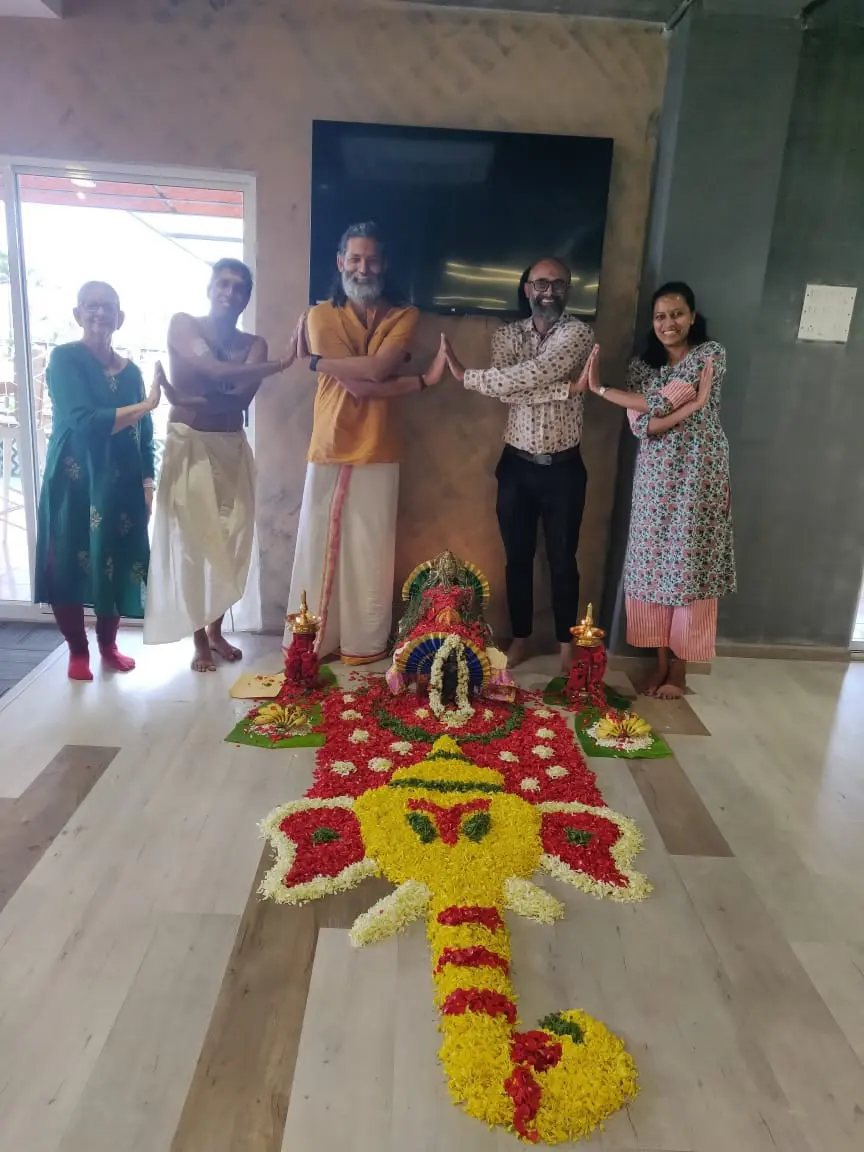
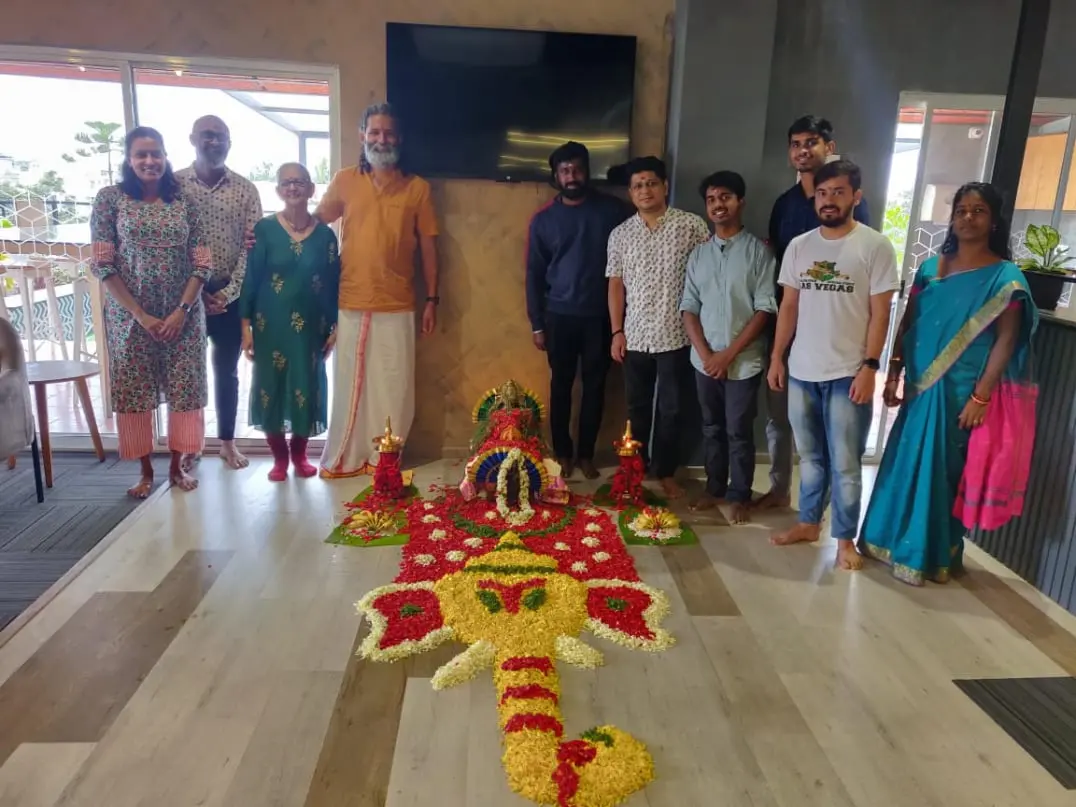
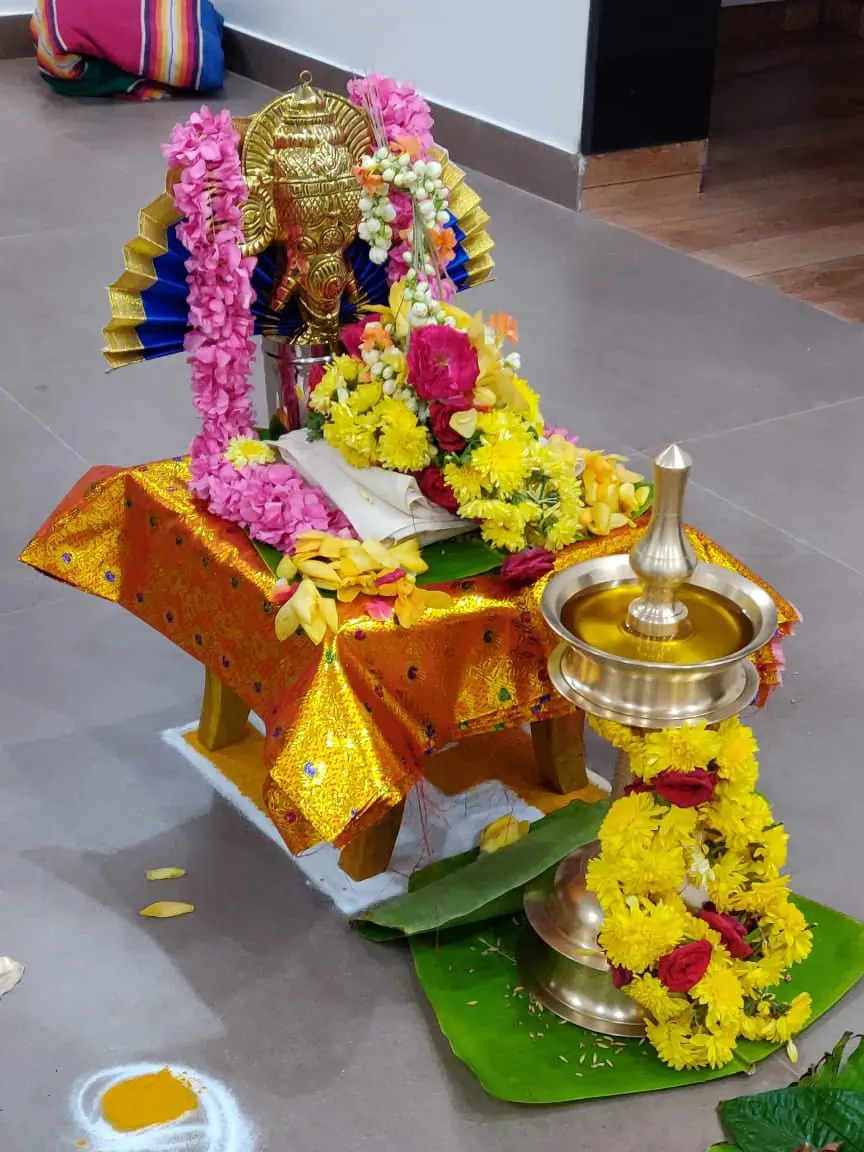
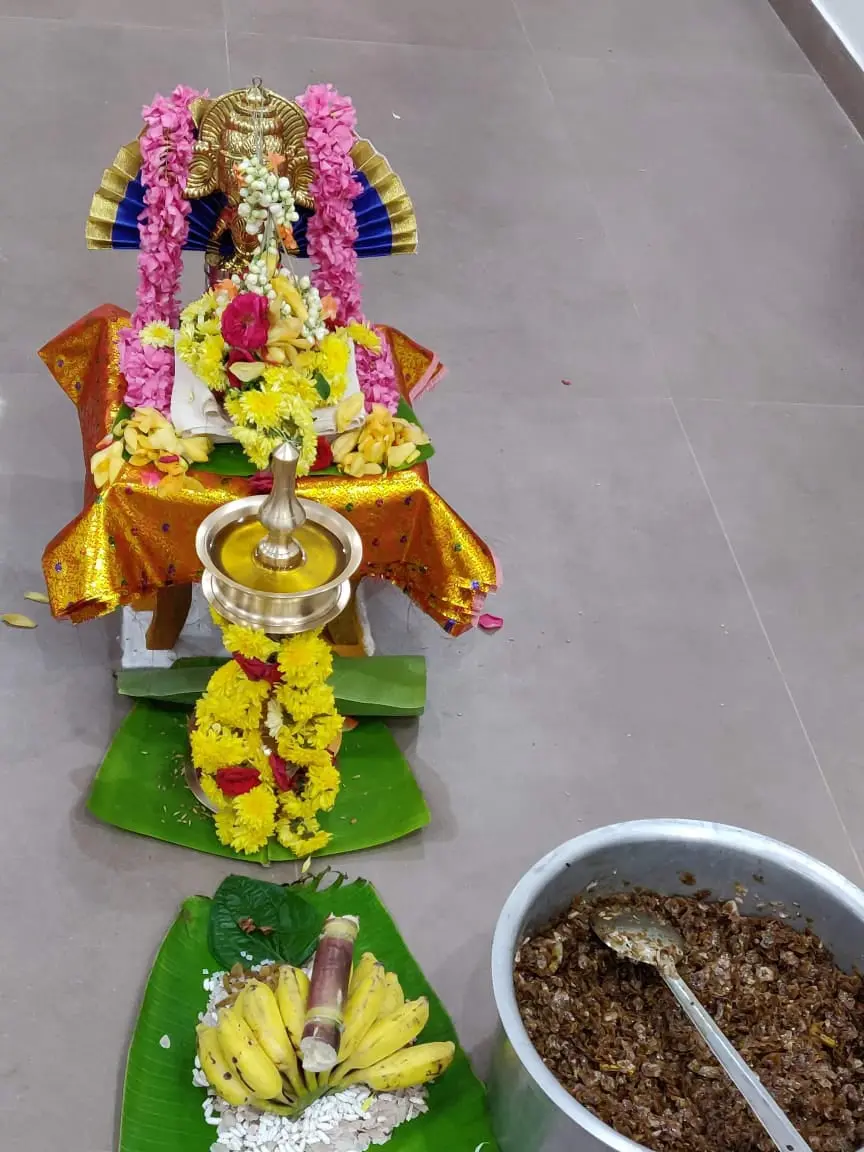
Ganapathy Pooja, also known as Ganapathi Puja or Ganesh Puja, is a Hindu worship ritual dedicated to Lord Ganesha, the elephant-headed deity who is widely revered as the remover of obstacles, the god of wisdom, and the patron of arts and sciences. Ganapathy Pooja is performed by individuals, families, and communities to seek the blessings of Lord Ganesha for success, prosperity, and the removal of obstacles from their lives.
Here is an overview of the typical elements involved in Ganapathy Pooja:
1. Preparation:
Cleanliness: Before beginning the pooja, the place where the worship will take place is cleaned and purified.
Altar (Puja Mandir): An altar is set up with images or idols of Lord Ganesha, along with other necessary items like incense, lamps, flowers, fruits, and sweets.
2. Invocation:
Pranapratishtha: The ritual begins with the invocation of Lord Ganesha, inviting his divine presence into the idol or image on the altar. This process is called pranapratishtha, wherein the deity is believed to reside in the worshiped form.
3. Offering of Elements (Shodashopachara):
Dhyana (Meditation): The devotee may start with meditation or contemplation on the form and attributes of Lord Ganesha.
Avahana (Invocation): Invoking Lord Ganesha to be present and receive the worship.
Asana (Seating): Offering a symbolic seat to the deity.
Padya (Offering Water for Feet): Offering water to wash the feet of Lord Ganesha.
Arghya (Offering Water): Offering water to wash the hands of the deity.
Achamaniya (Sipping Water): Sipping water as a purification ritual.
Snanam (Bathing): Symbolic bathing of the idol with water, milk, yogurt, honey, ghee, and other substances.
Vastra (Clothing): Offering clothing to the deity.
Yajnopavita (Sacred Thread): Offering a sacred thread, symbolizing initiation.
Gandha (Sandalwood Paste): Applying sandalwood paste or fragrant oils to the deity.
Pushpa (Flowers): Offering flowers to the deity.
Dhupa (Incense): Offering incense to please the sense of smell.
Deepa (Lamp): Lighting a lamp or candles to symbolize the dispelling of darkness.
Naivedya (Offering Food): Presenting food offerings to the deity.
Tambula (Betel Leaves): Offering betel leaves, areca nuts, and other ingredients.
Harati (Waving of Lights): Waving lights or camphor to the deity.
Pradakshina (Circumambulation): Walking around the idol or altar as a mark of reverence.
4. Recitation of Mantras and Stotras:
Devotees may recite various mantras and stotras (hymns) dedicated to Lord Ganesha, including the famous Ganapati Atharvashirsha.
5. Aarti and Concluding Rituals:
The pooja is concluded with the singing of aarti, a devotional song praising Lord Ganesha.
The devotees seek the blessings of Lord Ganesha for success, wisdom, and the removal of obstacles.
Ganapathy Pooja can be performed on various occasions, including festivals, personal milestones, or as a daily practice. The sincerity, devotion, and purity of heart with which the pooja is performed are considered crucial for seeking the divine blessings of Lord Ganesha.